← Back to kitchen3 min read
Kitchen note
Grace on the Water
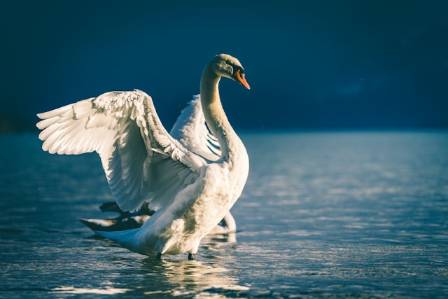
What Makes a Swan? Swans are among the most graceful of all waterbirds. Known for their long, arched necks and striking plumage, these elegant birds belong to the genus Cygnus. Most are white, though some species stand out with darker tones. The black swan showcases sleek ebony feathers, while the black-necked swan features a bold contrast between its white body and dark head. Interestingly, all swan chicks—called cygnets—begin life dressed in soft shades of gray.
E
Eli Winters
Cook
Bench note
The full story and useful tips are below.
Shelf
Plant kitchen
What Makes a Swan?
Swans are among the most graceful of all waterbirds. Known for their long, arched necks and striking plumage, these elegant birds belong to the genus Cygnus. Most are white, though some species stand out with darker tones. The black swan showcases sleek ebony feathers, while the black-necked swan features a bold contrast between its white body and dark head. Interestingly, all swan chicks—called cygnets—begin life dressed in soft shades of gray.
A Family of Distinction
There are six widely recognized swan species under the Cygnus genus: the mute, trumpeter, whooper, tundra, black, and black-necked swans. Another unique bird, the coscoroba swan, was once grouped with them but is now classified under Coscoroba. While not a true swan genetically, it shares many of their visual traits.
Each species carries a unique scientific name:
-
Mute swan – Cygnus olor
-
Trumpeter swan – Cygnus buccinator
-
Whooper swan – Cygnus cygnus
-
Tundra swan – Cygnus columbianus
-
Black swan – Cygnus atratus
-
Black-necked swan – Cygnus melancoryphus
-
Coscoroba swan – Coscoroba coscoroba
Some scientists further divide the tundra swan into two subspecies: Bewick’s swan, found across Europe and Asia, and the whistling swan, native to North America and Greenland.
Homes Across the Globe
Swans inhabit a variety of aquatic environments across temperate zones. From quiet ponds and slow-moving rivers to expansive marshes and serene coastal inlets, they thrive where water and vegetation are abundant. They can also be found on human-made water bodies such as ornamental lakes and canals.
In terms of distribution:
-
Northern Hemisphere: Mute, whooper, trumpeter, and tundra swans
-
Southern Hemisphere: Black, black-necked, and coscoroba swans
Australia is home to the iconic black swan, while black-necked and coscoroba swans can be seen gliding through South American wetlands.
Lifelong Partners
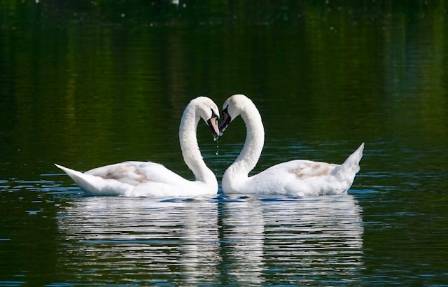
Swans are known for forming strong pair bonds that often last a lifetime. Their mating rituals include synchronized displays and graceful head movements—an elegant dance of devotion.
Breeding typically takes place in the warmer months. Some species migrate to Arctic regions to nest, while others stay close to home. Swans construct large nests near water’s edge, where the female lays a small clutch of eggs—usually between three and eight. Both parents share incubation duties. After hatching, the young remain with their family for several months before joining flocks of their own.
A Vital Role in Nature
Beyond their beauty, swans contribute significantly to the health of aquatic habitats. As they feed on underwater plants, they also ingest small aquatic organisms. Through their droppings, they help disperse seeds and tiny aquatic animals, aiding in the spread of biodiversity.
Their movement through water stirs up sediment, redistributing nutrients and supporting a balanced ecosystem for fish and aquatic plants.
Conservation and Challenges
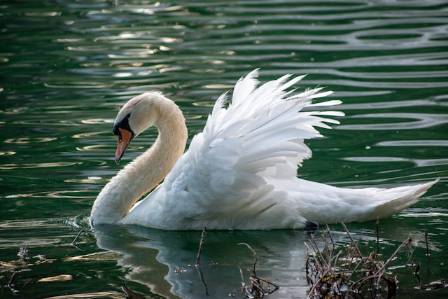
Today, all swan species are listed as “Least Concern” by conservation authorities, with most populations considered stable or growing. Some, like the tundra swan, have rebounded from the brink after being heavily hunted in the past.
-
Still, swans face modern threats such as:
-
Loss of wetland habitat
-
Water pollution
-
Disease outbreaks, including avian flu
Ongoing conservation efforts and habitat protection are essential to ensuring that these majestic birds continue to grace waterways around the world.
More from the kitchen
· en
My DIY Woven Seat Cover
Nina Sterling

· en
Outstanding Hybrid Sedans Under $35,000 (Revised Edition)
Emily Johnson

· en
3 Cities with the Most Jaw-Dropping Skylines Filled with High-Rises
Kobe
· en
Best Things to Do in Dubrovnik’s Old Town
Margot Sinclair
· en
The World’s Most Delectable Rice Dishes: A Global Culinary Journey
Sophia
· en
Strawberry Cream Yogurt Cups Recipe
Phoenix Ray